The Premise
CipherSpy
The first collapse wasn't of cities or governments.
It was of certainty.
The Collapse
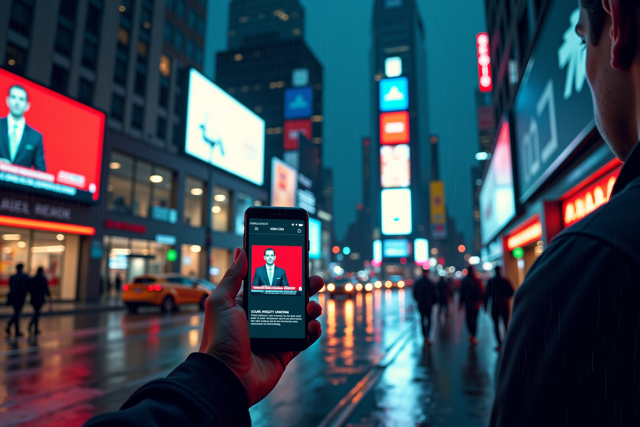
It started quietly: fabricated footage, forged identities, synthetic research, counterfeit sensor records. Each believable enough to pass until it wasn't. Verification became an arms race. Every institution built filters. Every filter became a target. Every target became a liability.
Information didn't stop flowing; it became a weaponized flood, and the world learned the hard truth:
Trust doesn't travel over networks.
The public network, the MeshNet, still exists. It's fast. It's everywhere. It's convenient. And it's hostile by default: observable, influenceable, saturated with deception, and monitored by entities with budgets large enough to turn "privacy" into a marketing term.
For ordinary life, it's fine.
For anything that matters, it's death.
The Index
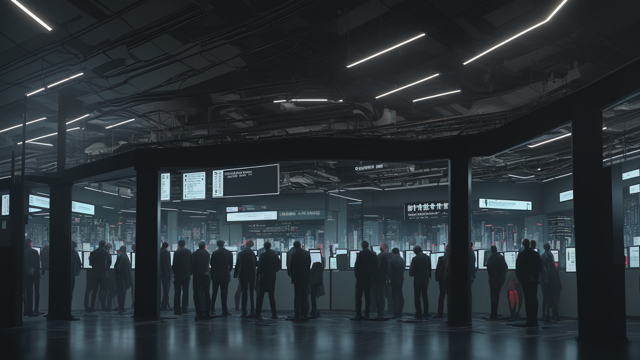
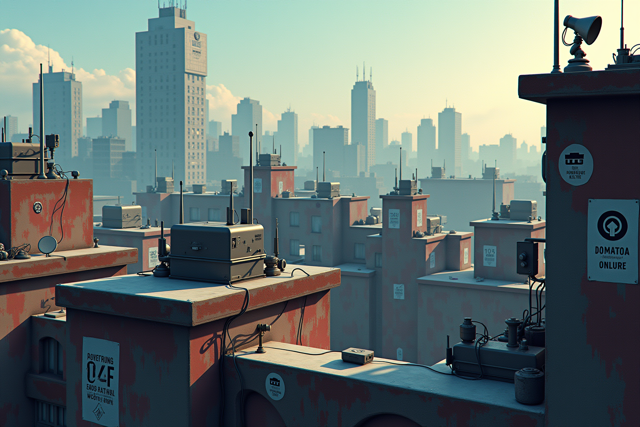
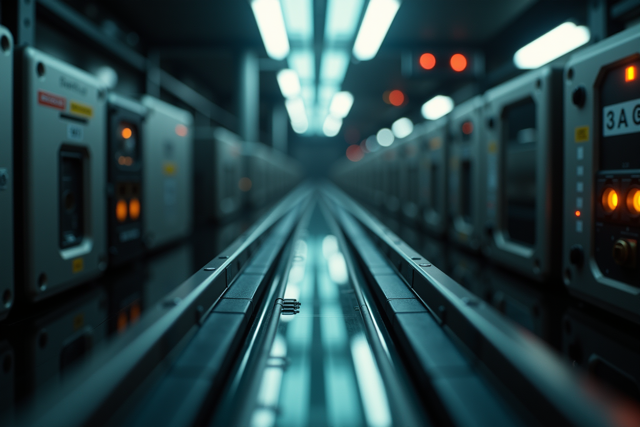
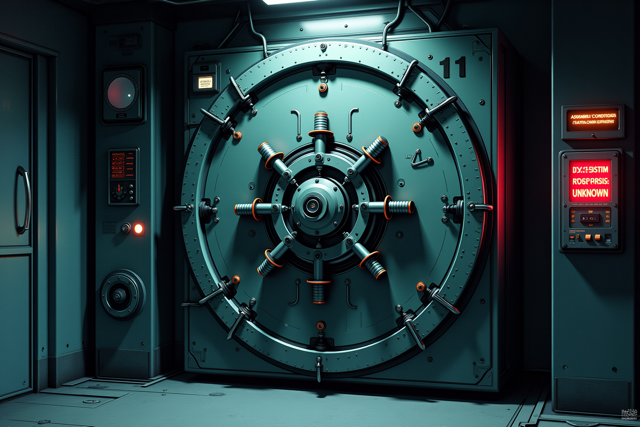
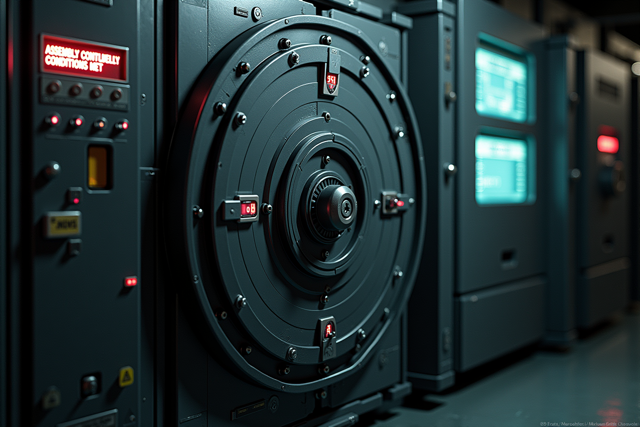
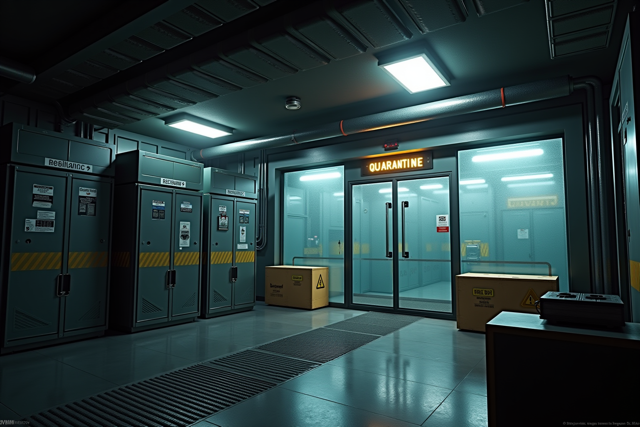
Power moved inward. Into air-gapped vaults, private relays, sealed research enclaves, and secure facilities built like bunkers not because the world ended, but because everyone is listening.
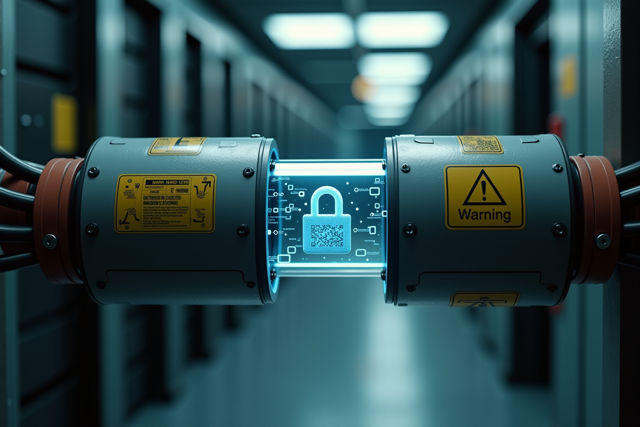
To hold data was to hold power, and power had to be defended. Cryptographic keys became credentials, proof you belonged. Bandwidth became battleground. And the only truth anyone accepted was truth that could be proven repeatedly, under pressure.
That's when the Index appeared.
Not with a countdown or a press release. Just... there.
Some say it surfaced in minutes, mirrored across public nodes so fast it looked like time travel. Others insist it took weeks, quietly propagating through academic circles and private channels before anyone with real power bothered to notice.
At first, it was dismissed as a stunt: an elegant cryptographic toy, a psyop, a dare. A hoax with expensive math behind it.
Then the first validations started coming back clean.
The Cipher
The Index didn't look like a manifesto. It looked like a specification.
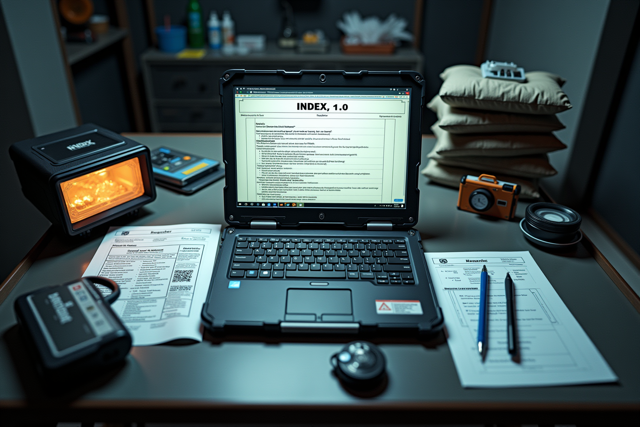
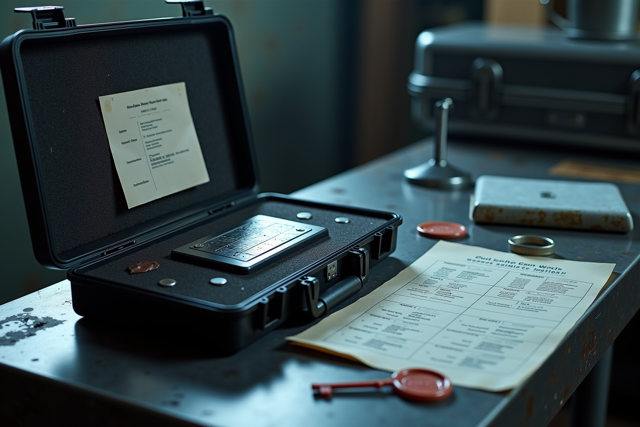
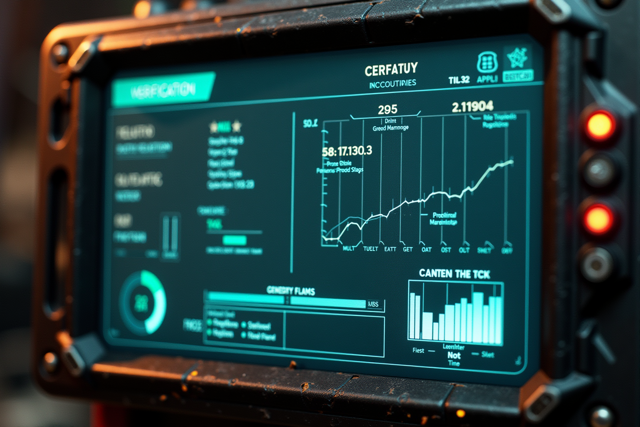
A public, cryptographic framework defining identity rules, integrity requirements, provenance thresholds, and Assembly conditions for units it called Blocks. It didn't contain the prize. It described how to verify one.
People called it The Cipher because that's what it was: fractured, encrypted, unreadable without keys no one fully possessed. But the meaning of it shifted depending on who was talking. Governments spoke of security. Corporations spoke of inevitability. Fringe movements spoke of revelation. Everyone agreed it mattered. No one agreed on why.
What The Cipher promised, if any of it was real, was terrifying:
- Energy systems that rewrite economies overnight.
- Signal protocols that can unmask any lie.
- Control models that can steer infrastructures at planetary scale.
If even a fraction of it was real, whoever finished it first wouldn't just win a contract or a war.
They'd rewrite the rules everyone else is forced to live under.
The Cipher Spies
Governments, superpowers, corporate alliances, and private research empires scrambled in parallel. They spun up task forces and black budgets, bought land under shell companies, absorbed contractors, locked down talent, and buried facilities where signals couldn't be casually observed.
They didn't collaborate. They competed. They didn't share. They hoarded.
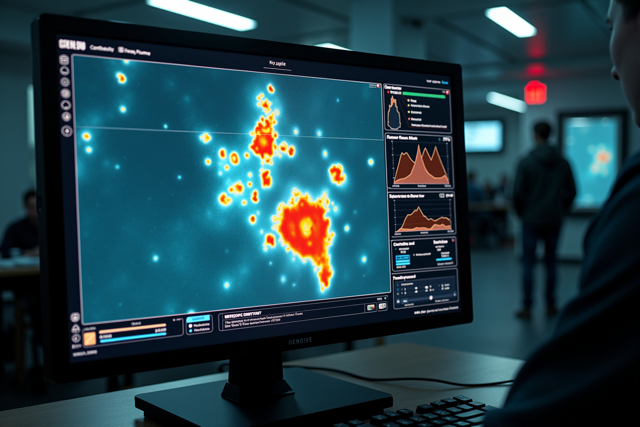
The problem wasn't capability. It was deadlock. Every major power held pieces, but none could move without being seen. Facilities were mapped. Networks were monitored. Every acquisition attempt triggered countermeasures. The powerful had the resources to finish, but they'd made each other's success impossible.
That's where the Cipher Spies appear.
They're not an agency. Not a corporation. Not a nation-state. Cipher Spies are the upstarts, operators who saw the same deadlock everyone else saw and decided the only way through was around.
When the old networks fractured, so did the monopolies on infrastructure. AGI-driven systems, autonomous drones, self-replicating fabrication: technology that once required institutions now answered to anyone who could speak its language. The barrier wasn't money anymore. It was knowledge.
Cipher Spies build Foundries off the grid, knowing full well that success makes hiding impossible. The goal isn't to stay invisible forever. It's to be ready when you're not.
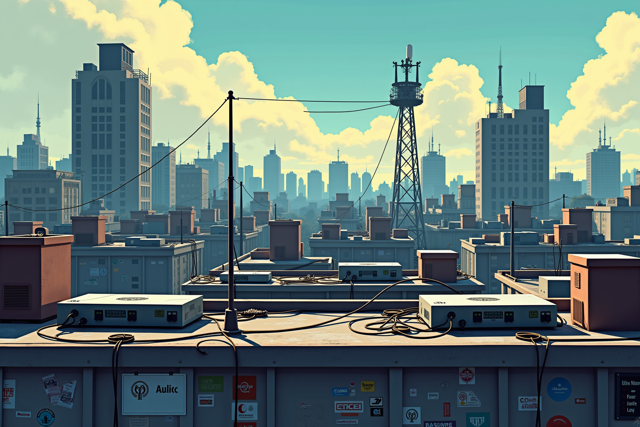
They make their own networks when the public net is too visible, too monitored, too slow for real control. They deploy drones, covert relays, and orbital burst windows to move value without announcing it. They don't win by owning the most territory.
They win by owning the right proofs, at the right moment, with control intact.
And if you're reading this, you already know which side of that line you're on.
The Race
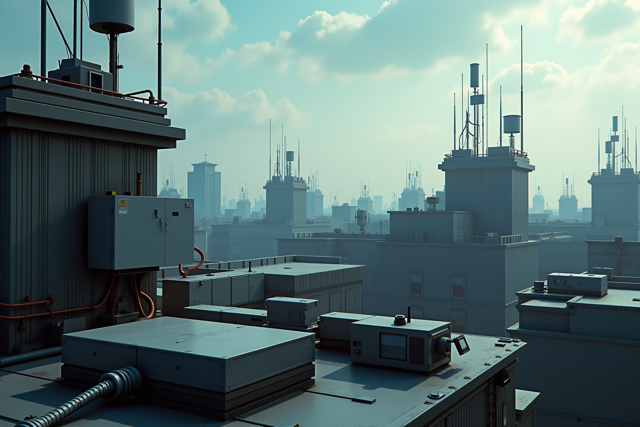
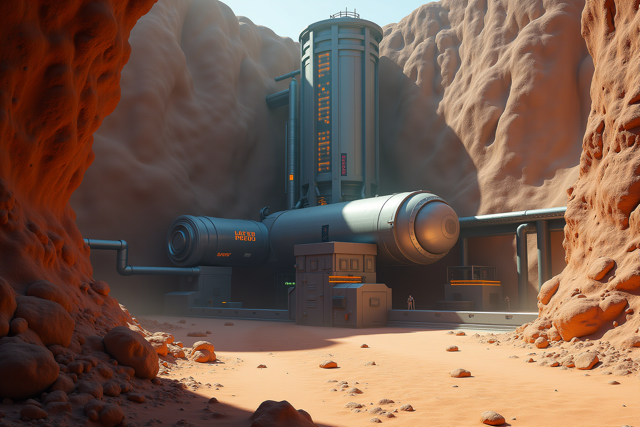
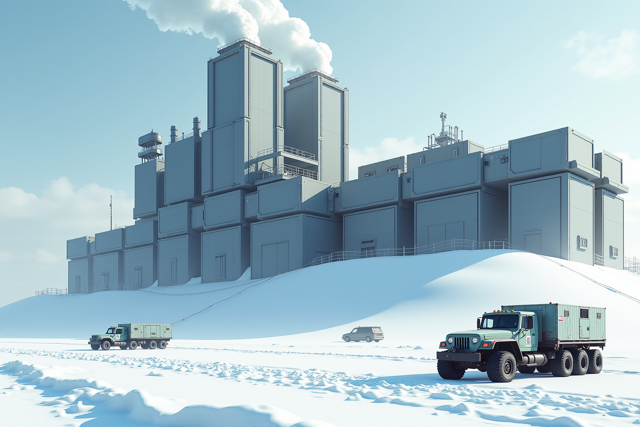
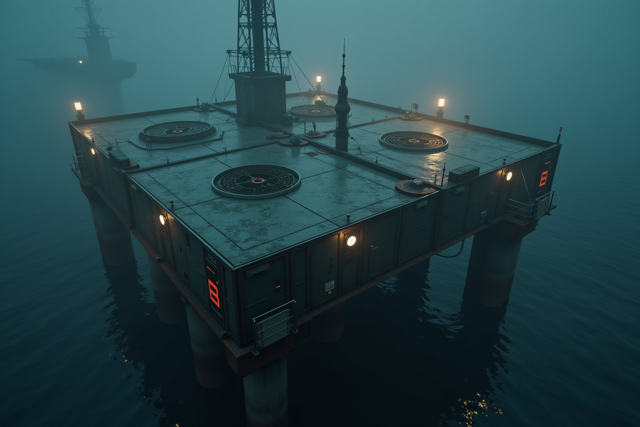
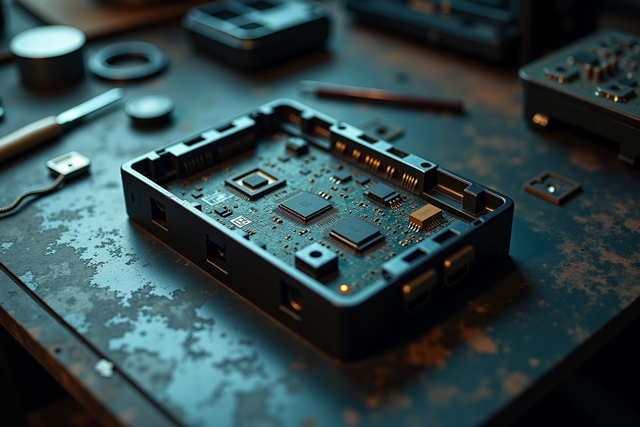
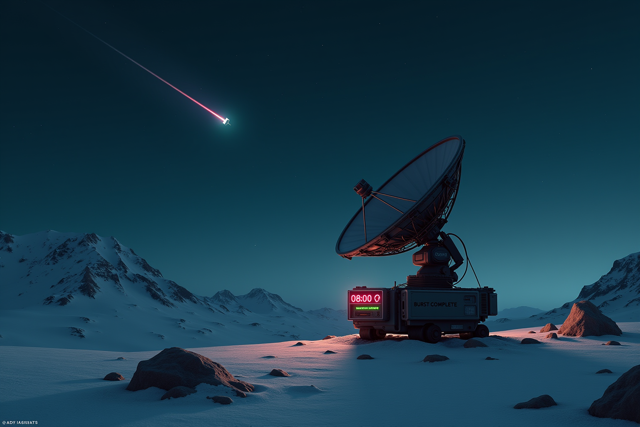
You choose a place to build: polar plateau, desert basin, mountain shadow, offshore platform. You balance secrecy, cooling, logistics, and reach. You assemble your Foundry from nothing. You grow from scavenged racks into an industrial engine.
- You chase seeded Blocks to bootstrap.
- You raid and hack into facilities to recover elusive Blocks.
- You broker, you bargain, you bluff.
- You harden control and build redundancy because you know you'll be tested.
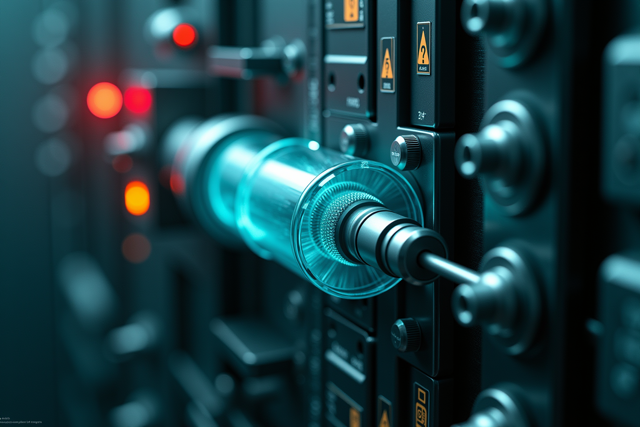
And if you're bold, you run research workloads so heavy they can only be cooled by oceans, caverns, or radiators hanging in vacuum. Until a new verified Block is born under your roof.
- A Block so rare the world takes notice.
- A Block that could complete your path to Assembly.
- A Block that makes your Foundry glow, metaphorically and literally, in ways that are hard to hide.
Then the real game begins.
Do you keep it secret and race for the finish while the world closes in?
Do you seed it strategically, buying allies, starting a private circle, manipulating rivals into chasing decoys?
Do you publish proof without surrendering control, leveraging legitimacy while guarding access?
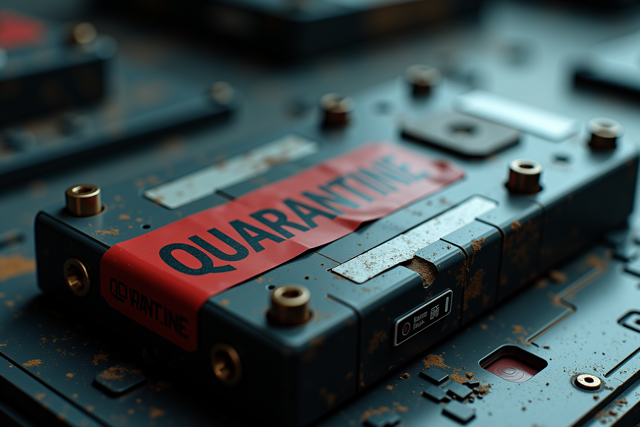
Do you gamble everything on a final Integrity Run, assembling under trace pressure, holding cooling stable, keeping your network clean while hostile forces try to make you fail not by destroying you, but by making you accept one poisoned Raw Block?
The world doesn't wait. Pressure builds in slow waves. Weeks, sometimes months of quiet tension before the next crisis breaks.
- The Exchange shifts.
- Drift accelerates.
- New sources appear.
- Old relays fall.
- Factions tighten their grip.
Cipher Spies learn, adapt, and build Foundries that look like factories and behave like minds.
The Question
And somewhere beneath all of it is the uncomfortable possibility no one wants to say out loud:
Maybe The Cipher wasn't discovered.
Maybe it was released.
Because an Index doesn't just appear. Someone always publishes the first spec.
And if that someone wanted the world to build Foundries—wanted civilization to assemble an engine of verification, computation, and control at global scale—then the race isn't just about completing The Cipher.
It's about becoming the infrastructure that can't be undone.
Which means the final question isn't whether you can assemble The Cipher first.
It's what The Cipher does… the moment it realizes you've succeeded.